Artifact Analysis
On the ground of artifact itself, through analyzing its material, construction, function, history and value, researchers could understand its pysical use and social context.
01 Definition
A systematic examination of the material, aesthetic, and interactive qualities of objects contributes to an understanding of their physical social, and cultural contexts.
---- Universal Methods of Design p.14
02 Natures
- Notes
- The emphasis of artifact analysis is on the object itself. Artifact analysis asks what do objects have to say about people and their culture, time, and place.
- Suited Context
- When the subject could not be reached directly, for example, they were past away. Artifact analysis is helpful when it is used to study these subject's life-style or habits.
- It could also be used as supplement observational data, combined with other self report methods.
03 Procedures
- Select artifacts based on problem space to study with.
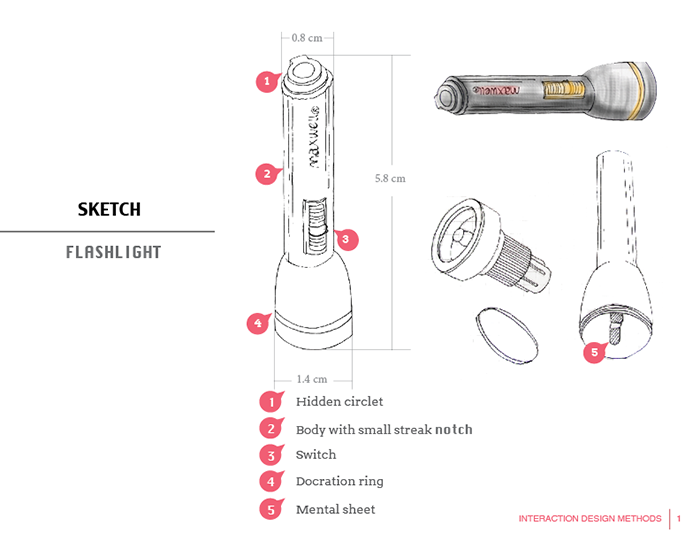
- Observe, sketch/draw the artifacts
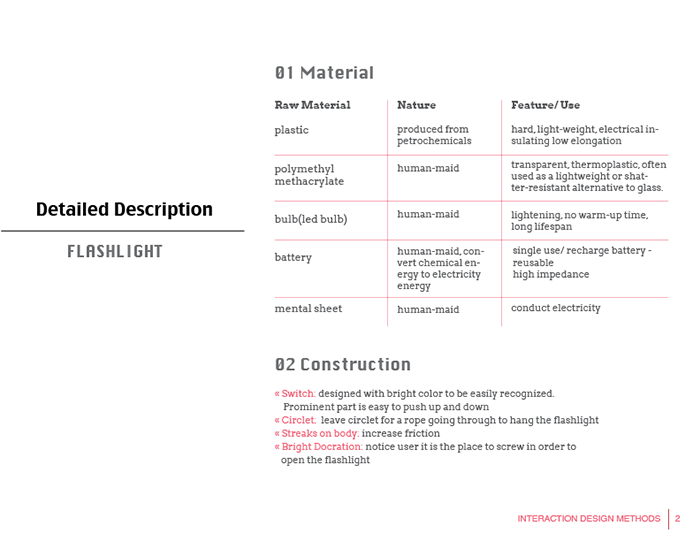
- Material analysis addresses the quantitative inventory of artifacts in the environment.(material composition, durability, wear patterns and disposability, etc.)
- Aesthetic analysis includes a subjective visual assessment, but also aspects such as historical references, whether the artifact can be indentified with particular era, time or place.
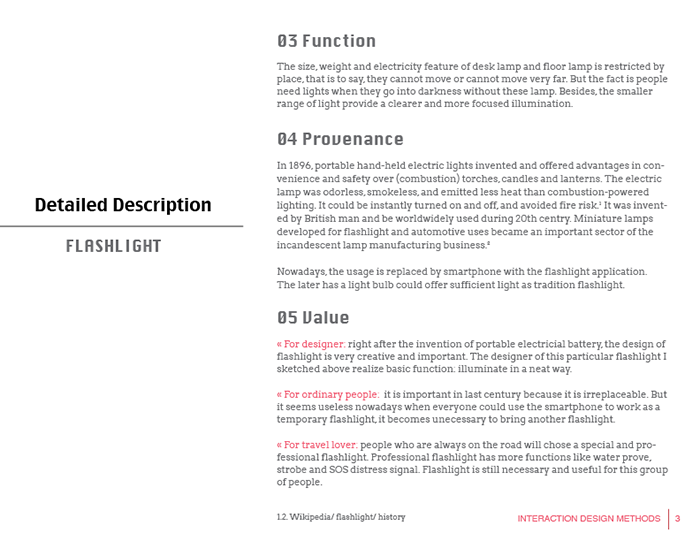
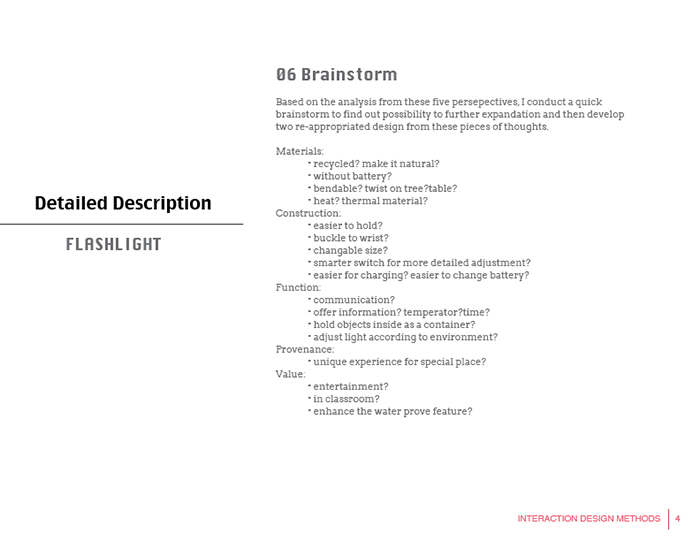
- Provide a detailed description of the object in terms of material, construction, function, provenance and value.
04 Reflection
- Strengths
- Artifacts become data through the questions posed about them and the meanings assigned to them by the researcher. There is no one right way to analyze artifacts. A wide range of disciplines informs the analysis of artifacts, including anthropology, archaeology, art history, history, human geography, ethnography, and sociology
- Limitation
- Artifact analyses are at the heart of material culture research, however it would seem that for every artifact, a specific model is often needed to adequately probe the various layers of information that an object can provide.
05 Case Document
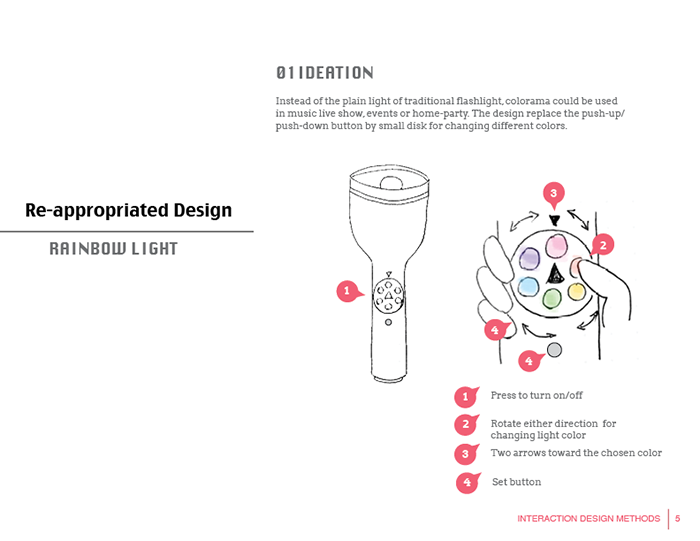
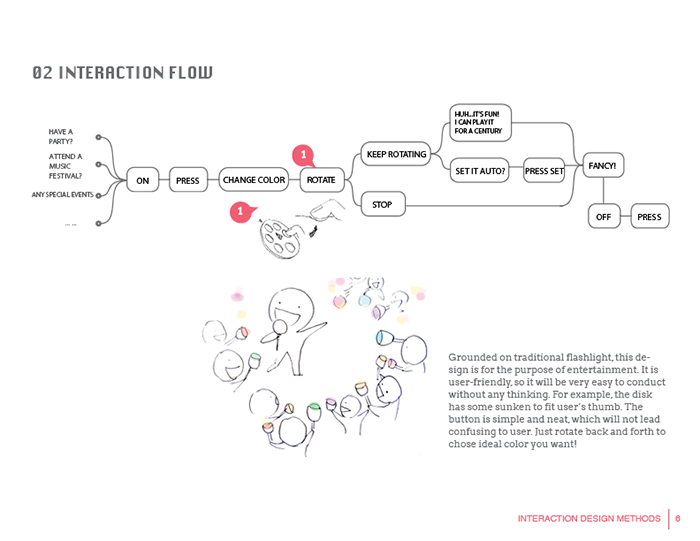
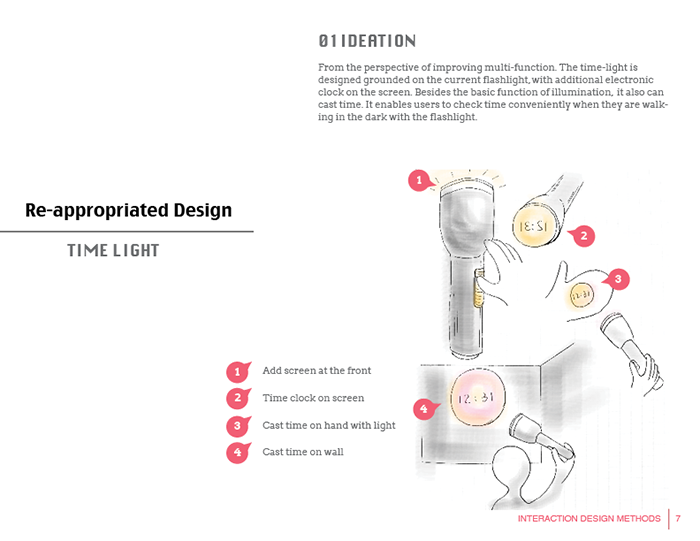
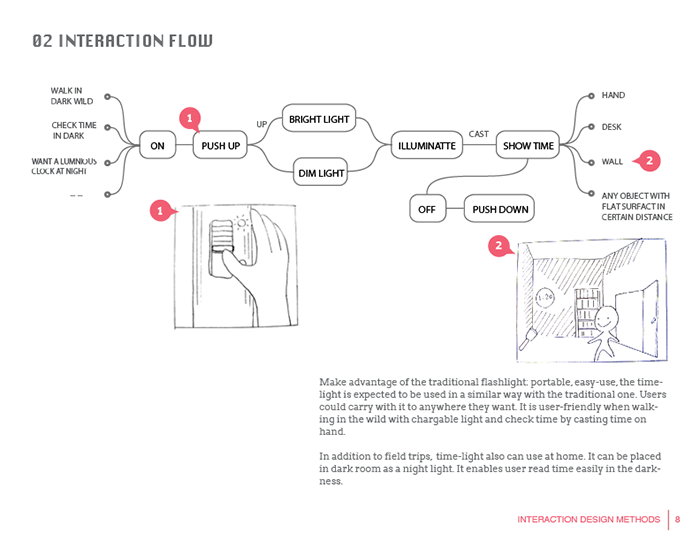
06 Supplement Reading
Gengsu Tu |
Copyright © 2014 by Gengsu Tu. All rights reserved.